Acid Flushing & Roll Cleaning
Our Acid Flushing & Roll Cleaning Services
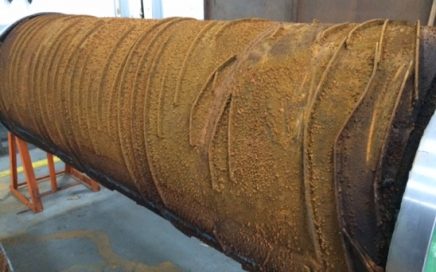
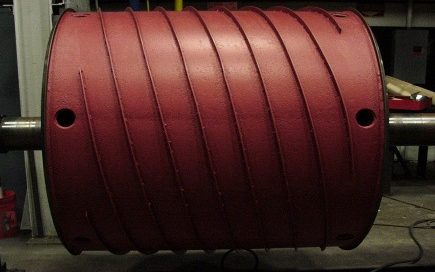
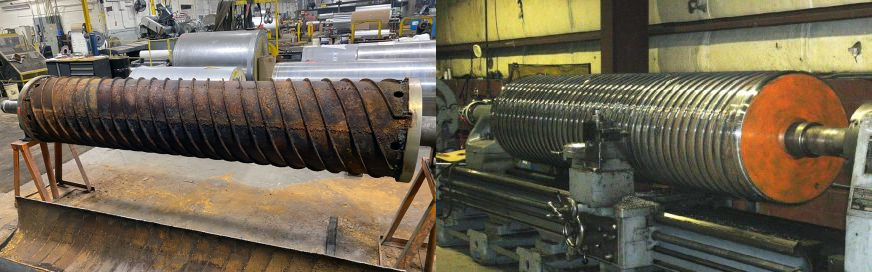
Professional roll cleaning is one of the most cost-effective maintenance steps in heat transfer roll management, and acid flushing is what makes it possible. The external surface of a roll can look perfectly serviceable while the internal flow passages are gradually being choked by mineral scale, iron oxide, and other deposits.
Left alone, that buildup restricts water flow, creates thermal dead zones, and shortens the service life of a roll that could otherwise run for years longer. MPP has been performing acid flushing as part of complete roll maintenance programs for decades, and we've seen how a well-timed flush can make the difference between a roll that comes back fully operational and one that needs a costly refurbish.
What is Acid Flushing?
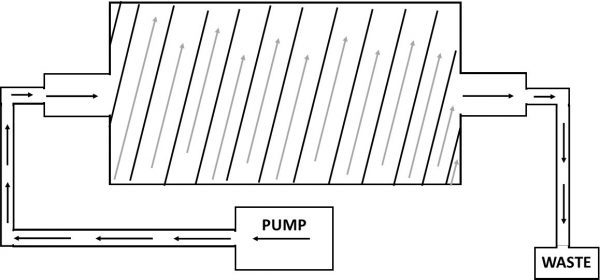
Acid flushing involves pumping an acidic cleaning solution through the internal flow passages on used heat transfer rolls. MPP uses this procedure to loosen deposits and blockages, which results in improving the roll’s flow rate and thermal efficiency.
Why Acid Flushing is Critical?
Basically, acid flushing is similar to changing the oil in your car's engine. Applied correctly and with regularity it can improve the life of your heat transfer rolls.
WE KEEP YOUR ROLL HISTORY INTACT
What Acid Flushing Helps To Prevent & Why It’s Important:
Acid Flushing addresses the removal of:
- Mineral Scaling
- Corrosion buildup: Iron Oxide (Rust)
- Blocking that could be present
Roll Cleaning for Heat Transfer and Chill Rolls
Heat-transfer roll cleaning and chill-roll cleaning address similar problems, but the conditions that cause them differ.
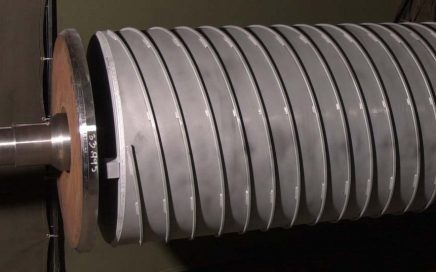
With heat transfer rolls, the main concern is mineral scale. Hot water circulating through the internal spiral passages deposits dissolved minerals on the passage walls over time. That scale layer acts as insulation between the water and the roll's outer surface, progressively reducing thermal transfer efficiency. How quickly it accumulates depends on your water quality, operating temperatures, and whether you're consistently running treated water through the system.
Chill rolls operate at or below ambient temperature, so the internal passages are susceptible to condensation and the iron oxide corrosion that follows. The mechanism is different from mineral scaling, but the outcome is the same: restricted flow and reduced thermal performance.
Acid flushing is appropriate for both roll types, and MPP has experience diagnosing and servicing both.
Hot Spots:
When any of these 3 factors occur, a hot spot within the heat transfer roll can be created. The hot spot is where reduced heat transfer occurs. We know that a reduced heat transfer spot can often develop into worse heat transfer issues, causing the roll to lessen its ability to work.
Hot Spot Symptoms:
- Product sticking to the roll
- Visual defects occur on the product
- Inconsistent temperature across the roll body
How We Record Results:
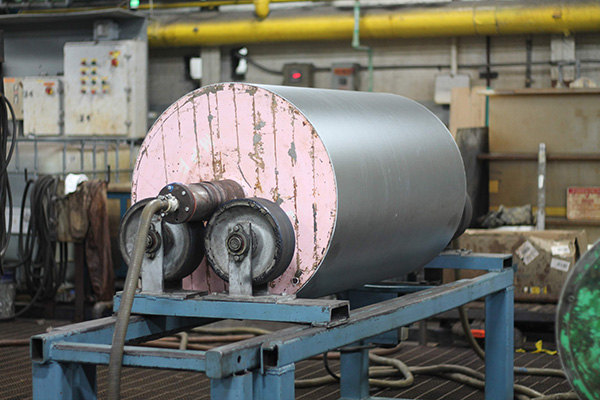
Before the procedure, MP&P measures the initial flow and pressure through the roll This measurement gives us a baseline on just how badly the condition of the inside of the roll is. When the procedure is complete, the same test is performed to determine if flow has improved. If a significant amount of debris is removed and rinse water remains dirty, MP&P will recommend a second flush for the roll to be returned to optimal condition
Contact MP&P today for acid cleaning roller services, including acid cleaning heat rolls & acid flushing chill rolls. We can provide the level of service that maintains your rolls in a productive condition.
How Often Should Rolls Be Acid Flushed?
Most heat transfer roll applications are well served by annual flushing as a baseline, but your operating conditions are the real guide. Hard water, high temperatures, and older rolls without treated water systems can shorten that interval. If you're seeing hot spot symptoms and the last flush was more than 18 months ago, that's a reasonable trigger to act rather than wait for performance to deteriorate further.
One practical advantage of working with MPP is that we keep information on file of all the rolls we service in our Roll Records Library. We can compare how your roll responded to previous flushes and help you establish a realistic maintenance interval based on actual data.
Keep Your Rolls in Top Condition
If reduced thermal efficiency or inconsistent surface temperatures are taking their toll, acid flushing is often the fastest path back to full production. MPP provides acid-flushing services for heat-transfer and chill rolls in plastics, film, paper, and converting operations. Get an estimate or call 203.574.5400 x106 to talk through your roll's condition with someone who's done this work firsthand.
Roll Cleaning & Acid Flushing FAQs
It depends on how significant the accumulation is. Acid flushing handles moderate to heavy scale and corrosion buildup effectively. We measure flow rates before and after every service, so the results aren't subjective. If the post-flush flow test shows meaningful improvement, the roll is in good shape. If the improvement is minimal even after a second flush, that's an indicator that the internal passages have deteriorated to the point where mechanical intervention or a reshell is the right call. Either way, we'll tell you exactly what the data shows.
The flushing service itself takes a few days for most rolls. Total turnaround depends on shipping logistics and whether a second flush is warranted based on the flow test results. If you have a scheduled maintenance window coming up, reaching out in advance lets us work your roll into the schedule.
Inline descaling is a solid regular maintenance practice, and we'd encourage it as part of any water treatment program. That said, circulation-based treatments aren't concentrated enough to address significant scale accumulation or iron oxide blockage inside a roll's spiral passages. Professional acid flushing uses a concentrated solution applied directly to those passages, which provides a deeper level of cleaning. Both have a place in a maintenance program; they're not interchangeable for the same problem.
Gallery