Precision Roll Surface Finishing
Our Precision Roll Surface Finishing Services
When a roll's surface is off by even a fraction, the whole web pays for it. Streaks in cast film, uneven coating weights, wrinkling in foil lamination, or release failures on a paper mill dryer drum often trace back to a single variable: the surface finish.
This is what precision roll surface finishing is all about: controlling Ra value, texture uniformity, chromium layer thickness, and surface profile to the tolerances the process requires.
MPP has been doing this work since 1954. The 150+ finishes in our catalog reflect 70 years of documented solutions to real production problems in paper mills, plastics extrusion lines, film casting operations, foil converters, and printing facilities.
Over 150 Finishes in the Finest Chromium Plating
Currently, MPP offers over 150 finishes to meet a variety of industrial needs and will work with you to determine the right finish for your application.
- Ground or polished roll finishes with surface roughness as low as 0.5 Ra
- Uniform matte finishes with specific surface roughness, gloss or tone requirements
- Grained surfaces, non-frictional surfaces, liquid pick-up or other specified surface characteristics
- Hydrophilic & Multi-plated surfaces
- Extra-thick plating
- Mirror-Pocket™ surfaces
- Custom Industrial Roll Finishes
- EZ Release™ finishes
A Finish Specification Is More Than a Ra Number
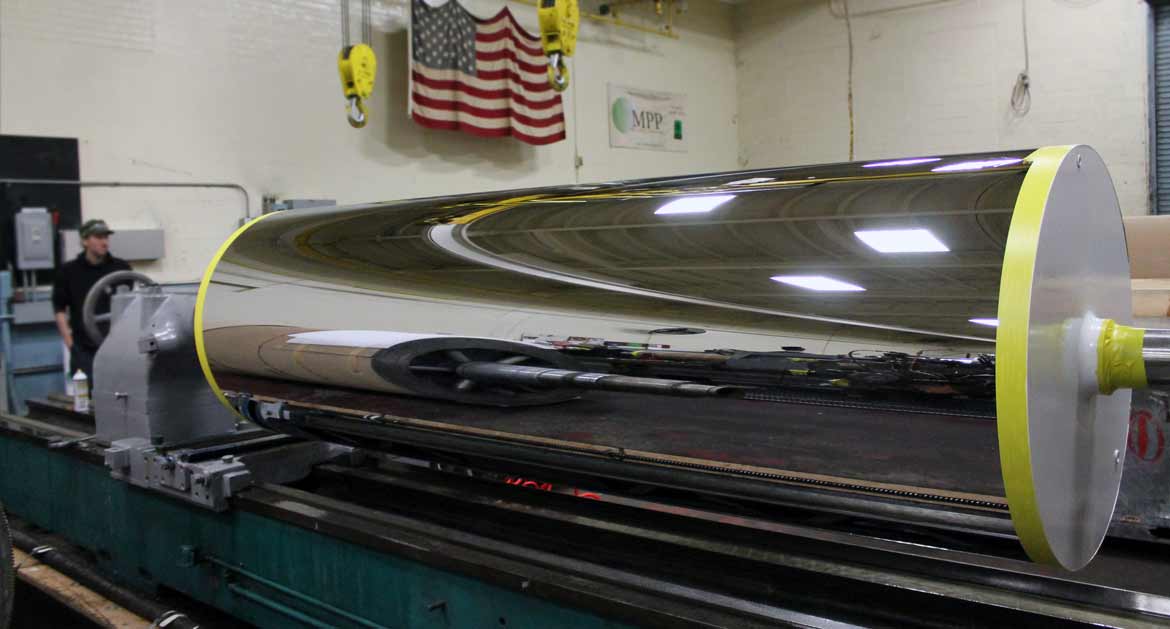
Ra is the starting point, not the whole story. A complete finish specification covers surface roughness, texture uniformity, chromium layer thickness, the directionality of the surface pattern, and how all of those variables interact with the web material and line speed in your process.
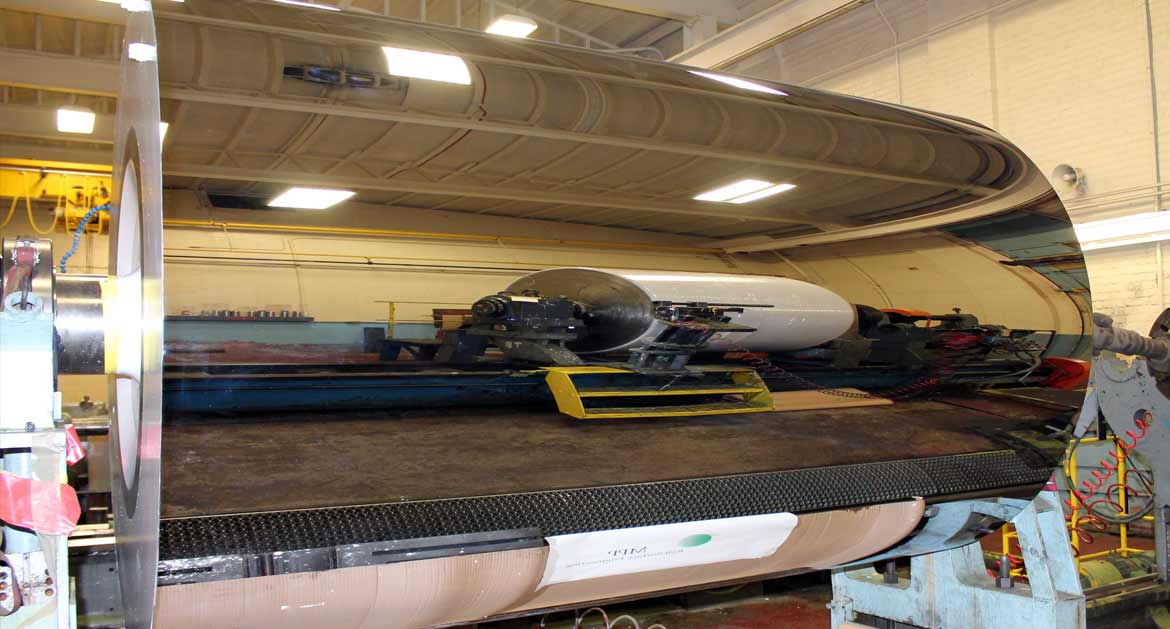
- A chill roll in a cast film line running at high speed needs a flawless mirror surface at or near 0.5 Ra so the film releases cleanly without optical defects.
- A nip roll in a paper coating line may need a controlled matte or satin texture to distribute nip pressure and prevent wrinkling.
- A dryer drum in a paper mill needs the thermal conductivity and release characteristics that a standard chrome surface doesn't provide on its own.
- A high-speed extrusion coating or paperboard and film laminating operation may need Mirror-Pocket, a finish MPP developed to provide a friction-free surface while preserving the optical quality of the coating or laminate.
The right finish is always process-specific. That's why Mirror Plating and Polishing works with process engineers and production managers to understand what the roll is doing before recommending a finish. The answers to these questions drive the specification:
- What is the web material?
- What are the line speed and nip pressures?
- What is the failure mode you're trying to avoid or recover from?
High Gloss Finishes
Opttex™
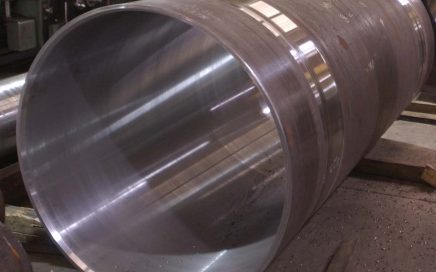
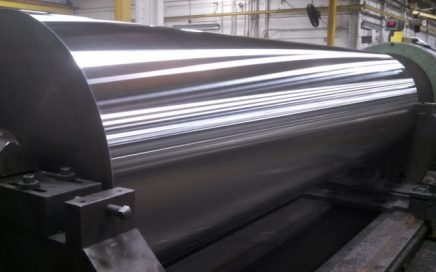
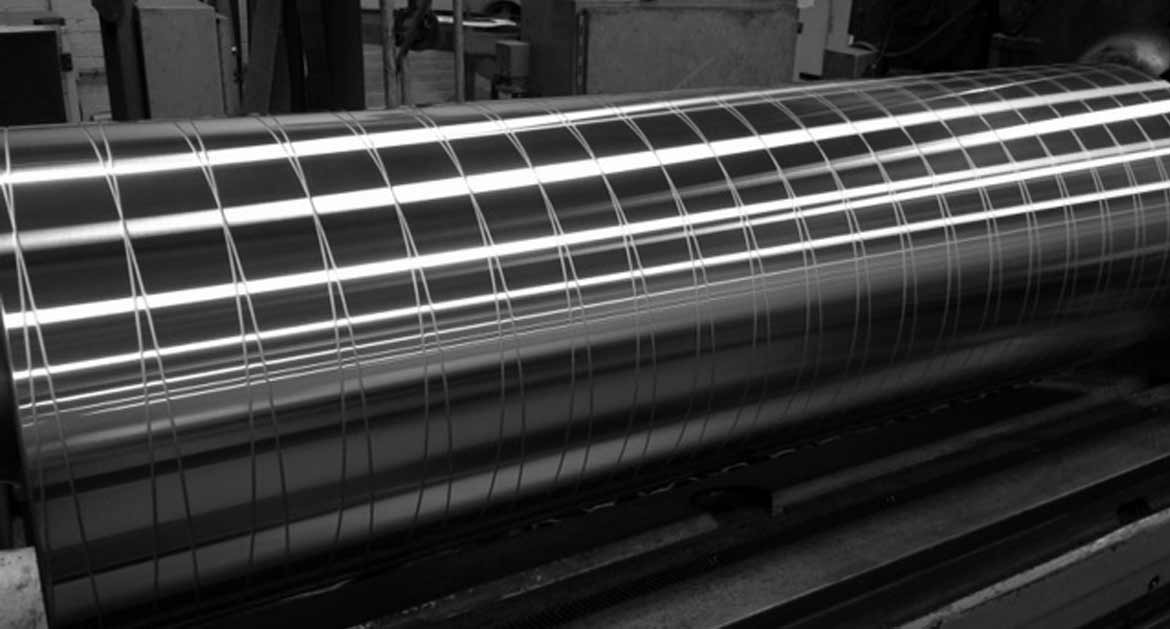
Flawless, mirror-surface chromium surfaces with maximum reflectivity and surface roughness of approximately 0.5 Ra. Applications include film casting, plastic sheet calendering and polishing, gloss paper coating, photographic film, paperboard lamination, magnetic media calendering, and others requiring extra-fine surface finishing.
MP-2™
A special buffing process eliminates all traces of a grinding pattern and leaves the roll with a highly reflective surface and roughness factor of between 1.0 and 2.0 Ra.
Texturing
Walltex™
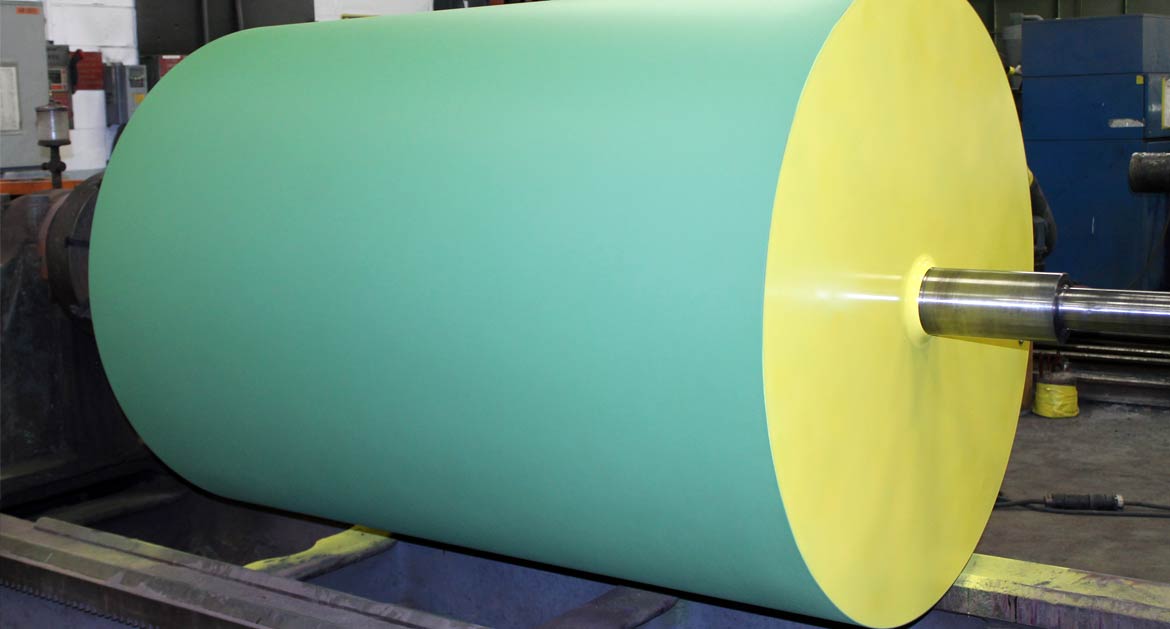
The uniform matte surface provides excellent finishes for plastic, wallpaper, vinyl, paperboard and foil laminating or casting.
Pre-grain surface™
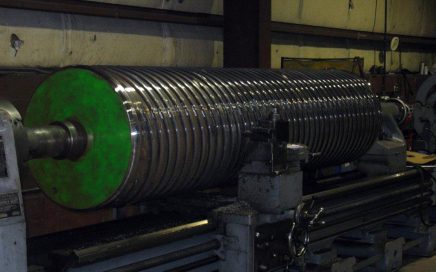
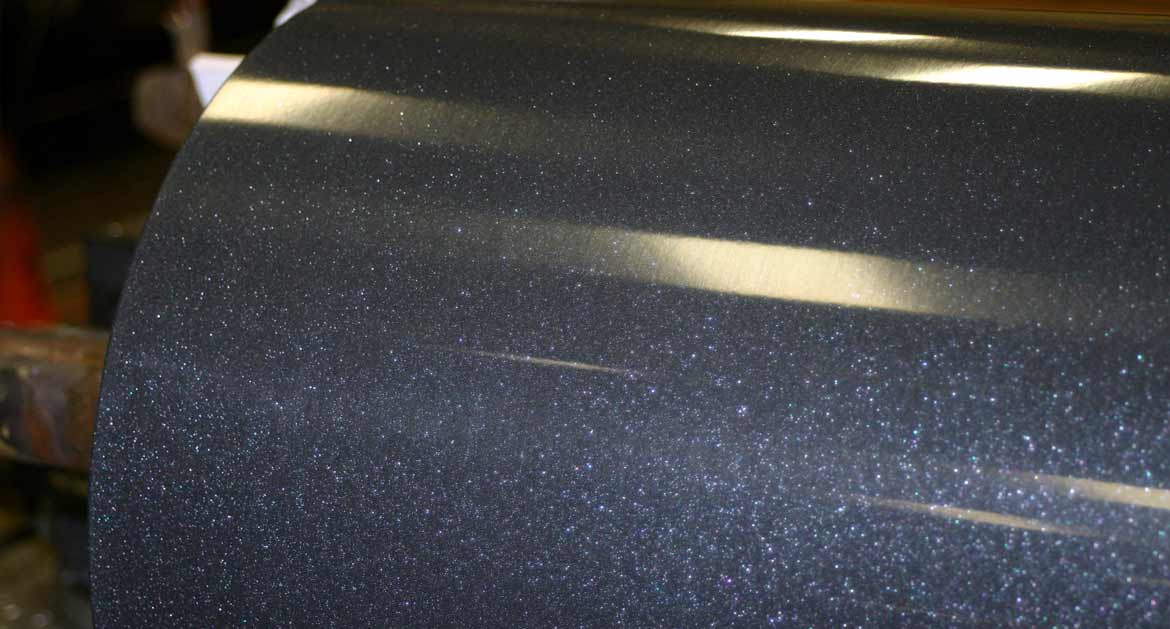
A textured chromium surface available to any finish between 25 and 800 micro-inches thick. Pre-grains are applicable in any metal, paper or plastics application in which web contact needs to be minimized while superior gripping power is retained.
Specialty
Wettex™
A fluid receptive chromium surface which may be used in any fluid applicator unit.
Mirror-ground finishes™
The finest mirror reflective finishes between 2 and 10 Ra and tolerances to 50 millionths TIR and shape.
EZ Release™
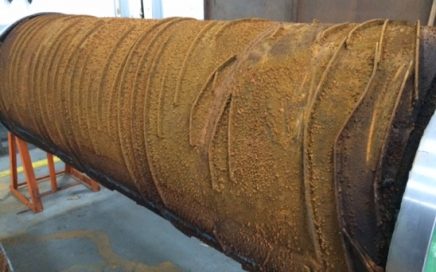
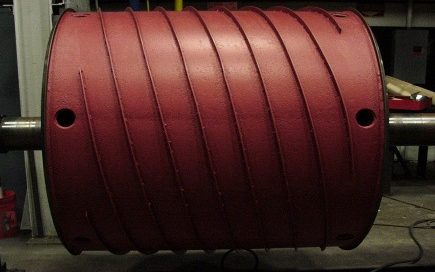
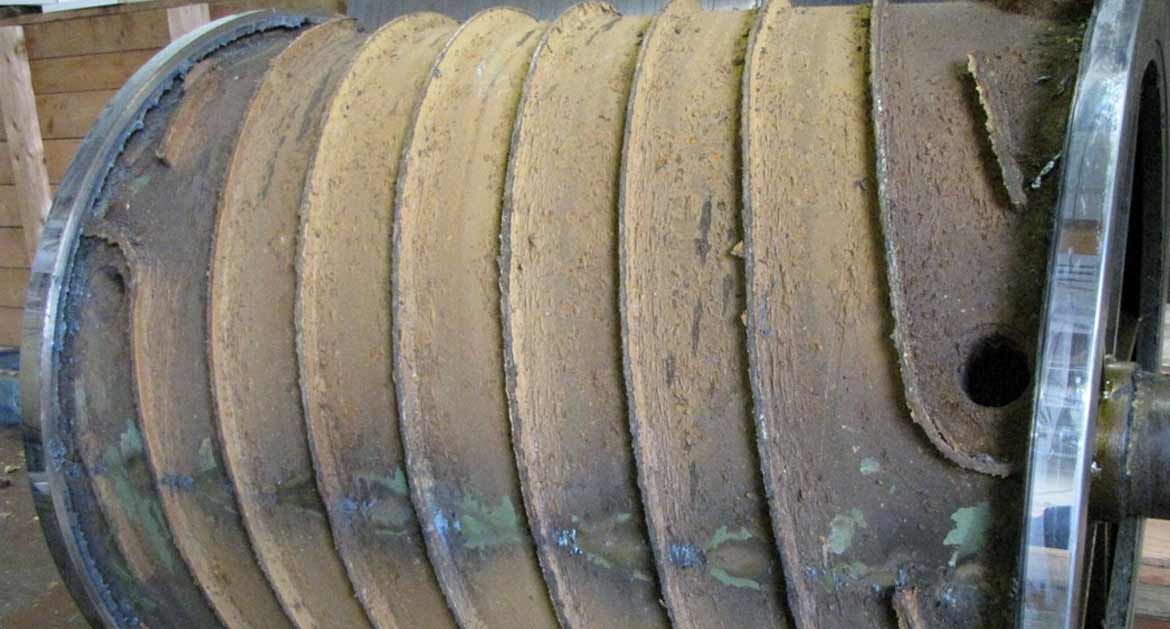
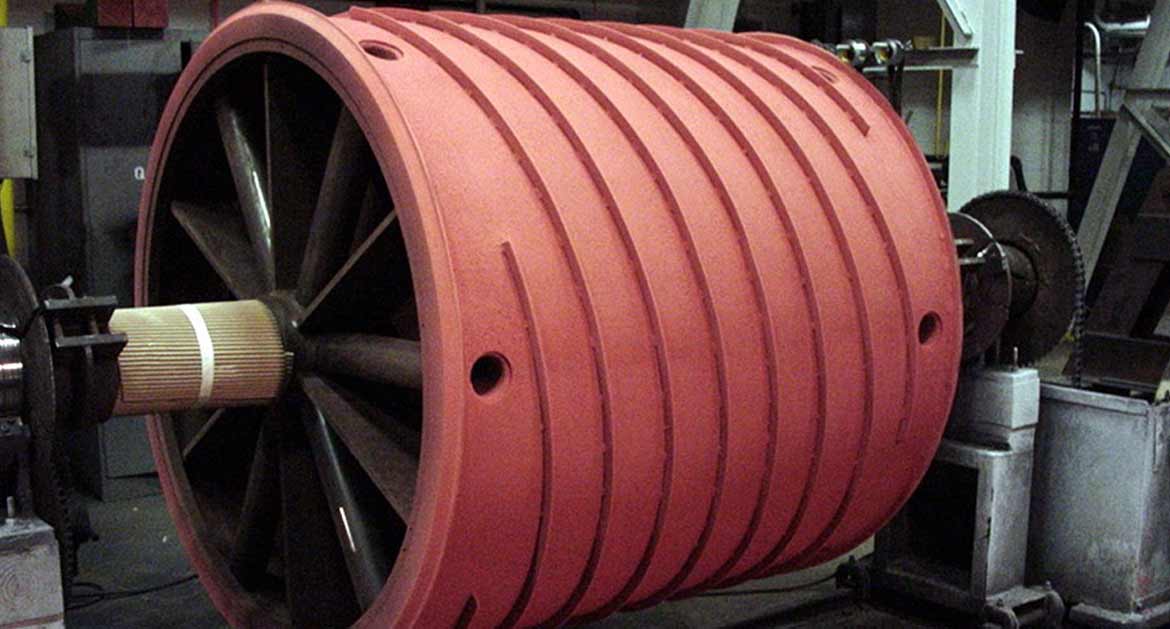
A chromium layered surface for paper mill dryer drums and size-press, carrying and other rolls. The surface provides excellent thermal conductivity with full release action. EZ Release provides long surface life and reduces damage.
Traction Release Variations of EZ Release
Printability
Mirror-Pocket™
The original mirror-reflective, pocketed finish that provides a friction-free surface for high-speed extrusion coatings and lamination of paperboard or film.
MP-10 Series™
WE KEEP YOUR ROLL HISTORY INTACT
Who We Work With
MPP serves 20+ industries, but demand for industrial roll surface finishing is concentrated in a handful of process-intensive environments where the roll's surface is a direct variable in product quality. This cross-industry knowledge means we see the same factors at play across a variety of substrates. Tap into this experience to troubleshoot or improve your process beyond the typical approach.
- Paper mills depend on precise EZ Release surfaces on dryer drums and size-press rolls. The surface has to release the sheet cleanly at temperature while maintaining long service intervals, because drum downtime in a paper mill is expensive by any measure.
- Plastics extrusion and calendering operations need Pre-Grain or matte finishes that control web contact and release across a range of polymer types and melt temperatures. A finish that works well on polyethylene may behave entirely differently on PVC or polypropylene at the same Ra.
- Film converters specify high-gloss Opttex or Mirror-Pocket surfaces, depending on whether the priority is cast film quality or friction-free lamination at high line speeds.
- Foil laminating operations typically call for Walltex, the uniform matte finish MPP developed for vinyl, paperboard, and foil laminating or casting applications. At high line speeds, even minor surface variations on a roll become amplified in the finished product.
- Printing operations require surfaces matched to ink transfer, impression load, and the substrate being run.
- Metal processing facilities need chromium surfaces with corrosion resistance and contact characteristics, often across elevated temperatures.
In all of these environments, roll surface finishing is engineered into the process. When the surface changes due to wear, damage, or a process change, it needs to be restored or reconfigured to meet a documented specification. That's why MPP's Roll Records Library is so important: when a roll comes back for refinishing, the original specification is already on file.
Frequently Asked Questions: Roll Surface Finishing
For cast film on a chill roll, a mirror-quality surface in the 0.5 to 2.0 Ra range is typical. The tighter end of that range (closer to 0.5 Ra) is appropriate for applications where surface defects on the roll will transfer directly to the film, such as optical-grade films or products where clarity is critical. Higher in the range is acceptable for commodity film, where throughput matters more than surface perfection. For blown film or specialty extrusion, the right Ra depends on your resin, gauge, and the film's intended use. If you're specifying a new roll or refinishing an existing one, bring us your process parameters, and we'll recommend a finish based on our experience with comparable applications.
Service life varies considerably depending on the application. In a moderate-duty paper or film application with clean web contact, a well-applied chrome finish can hold its specification for a meaningful production run before refinishing is needed. In high-abrasion environments, contact with abrasive coatings or fillers, or elevated operating temperatures, the interval is shorter. The most reliable indicator is surface profile measurement over time: when your measured Ra drifts outside the specified tolerance, the surface is telling you it's time. Waiting until the finish fails visually usually means more substrate work and longer turnaround.
That depends on the condition of the existing chrome and the finish being applied. If the existing chrome layer is sound, well-bonded, and within dimensional tolerance, additional chrome can be applied and finished to the new specification. If the existing layer is cracked, pitted, or dimensionally out of spec, stripping to base metal and replating is the right approach. This is assessed during incoming inspection and discussed with you before work begins, so there are no surprises on scope or timing.
Both are high-gloss chromium finishes, but they're not interchangeable. Opttex is MPP's finest mirror finish, produced to approximately 0.5 Ra with maximum reflectivity. It's specified for the most demanding applications: photographic film, magnetic media calendering, and any process where a surface artifact on the roll transfers directly to the product. MP-2 uses a specialized buffing process to eliminate all traces of the grinding pattern and produces a surface roughness between 1.0 and 2.0 Ra. It's the right choice for a wide range of high-gloss applications where the absolute precision of Opttex isn't required. If you're unsure which one your application calls for, describe the process, and we can point you in the right direction.
Get the Finish Right the First Time, Every Time
If you have a precision roll that's due for surface refinishing, or if you're specifying a new roll and need guidance on which of our 150+ finishes fits your application, the right place to start is a conversation with our team. Tell us what the roll is doing, what your web material and process conditions are, and what you've seen from the current surface. We'll take it from there and come back with a recommendation and an estimate.
Gallery